

Spinmacho Casino – Live-Dealer-Spiele und Möglichkeiten
30. Juni 2026Bewertung Boni Spielautomaten and Auszahlungen Explained at Knight Slots Casino in Germany
30. Juni 2026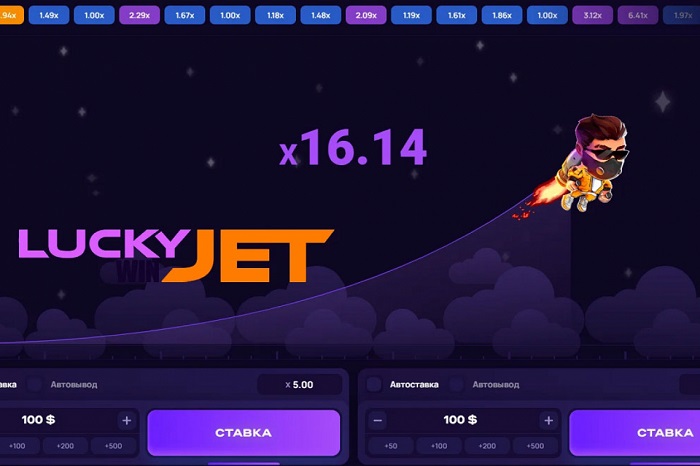
Digital gaming operates fast, and its outcomes are never guaranteed https://luckyjetcasino.uk/. Players often look for more substance than just statistical work or following betting trends. They can find a sturdy, ancient structure in Stoic philosophy, which instructs emotional control, concentration, and resilience. This article explores how the key principles of Stoicism apply directly to playing Lucky Jet. Adopting a Stoic outlook lets a player alter their whole strategy. They learn to face the game’s built-in highs and lows with a calm mind and a organized strategy. The aim is not to guarantee a win each time. It is to develop an personal resilience that makes playing more reflective, more rewarding, and something you can keep doing, no matter what transpires in any single round.
The Core of Stoicism: Grasping What We Can Control
The core of Stoicism forms the dichotomy of control, a principle the philosopher Epictetus made famous. It draws a line between what we can influence and what is not. This line means everything in Lucky Jet. We possess full control over our own actions, choices, and reactions. We pick our bet size. We choose when to cash out. We establish our session limits and our overall budget. We control how much we prepare, how well we learn the game’s rules, and how faithfully we adhere to a strategy we decided on beforehand. Everything else falls outside that circle. The exact multiplier where the jet disappears, the result of any given round, the random order of wins and losses—these things are not in our hands. A Stoic player directs their energy only into the first category, facing the second with calm acceptance.
This acceptance is not resignation. It’s an engaged, sensible recognition of the way things actually work. Once we fully grasp that the jet’s flight path is pure chance, we quit spending emotional energy on results we cannot alter. Getting upset about a „near miss“ or overjoyed by a „lucky win“ are just reactions to things beyond us. They do not reflect about our value or our expertise. The spotlight turns to the quality of our decisions. Did we adhere to our cash-out plan? Did we oversee our bankroll smartly? If we evaluate ourselves solely by these controllable factors, we create a base of discipline and self-respect that the game’s randomness cannot undermine. This shift in thinking is the first and most important step in bringing Stoicism to Lucky Jet.

The practice of Approval: Controlling Urges in Real Time
Stoic philosophy talks about a significant mental step called the discipline of approval. It depicts the small space between something occurring and our assessment of it. In Lucky Jet, this occurs in the key seconds as the multiplier rises. The first emotion might be avarice („I should let it go higher“) or anxiety („I need to cash out now“). An uncontrolled mind says yes to these urges right away, resulting in actions that violate a approach made earlier. The Stoic participant, nevertheless, inserts a break. They notice the impulse as it appears, identify it—a suggestion from their feelings—and then intentionally select whether to endorse it, based on reason and their established strategy.
This real-time mental management is the working essence of Stoic play. It stops you from running after losses after a sudden crash or boosting your bets during a hot streak. By exercising this pause, we create space between ourselves and the direct flow of our perceptions and emotions. We allow for our logical, predetermined rules to take control. For instance, if your strategy is to cash out at 2x, witnessing the multiplier attain 1.9x might trigger a intense impulse to wait. The practice of agreement lets you detect that desire, label it as avarice, and then purposely pick the move that fits your plan: collecting. This constant, minor exercise of self-control is where theory becomes practice on the gaming screen.
Stoická příprava: Preparing for Volatility
The Stoic practice of „Premeditatio Malorum,“ or the anticipace of problémů, means důkladně promýšlet possible komplikace to zmírnit their emotional dopad and to připravit your odpověď. For Lucky Jet, this is a key taktická pomůcka. Before zahájením a hry, a Stoic účastník will vědomě přemýšlet about bad scenarios. They will v duchu procvičovat a run of losses in a řadě, picture the jet havarující at very low multipliers again and again, or imagine the vjem of missing a cash-out bod by a tiny amount. This není negativní. It’s a kind of emotional and taktické očkování.
By facing these possibilities ahead of time, we take away their sílu to surprise or vykolejit nás later. When a šňůra neúspěchů happens, it isn’t a devastating otřes. It’s something we’ve already zvažovali vyrovnaně, and we have a strategií for it. This příprava directly formuje bankroll řízení, the most hmatatelné use of this konceptu. Vědomí that nepříznivé úseky are jisté, we racionálně rozhodneme in advance what podíl of our funds to vsadit per hru and per sázku. This garantuje no reálná losing streak can wipe out our zdroje. This praktika utužuje the mysl against paniku. It keeps our činy vedené by what we rozhodli, not by the chaos of a moment’s bad luck.
View from Above: Keeping Perspective on the Match
Followers of Stoicism employed an technique named the „View from Above.“ It was intended to offer context by zooming out from your current situation. You might imagine gazing down on your town, then your region, and ultimately the entire world, observing how small your own worries are in the big picture. Applying this with Lucky Jet is a powerful cure for the single-mindedness gaming can create. In the midst of a session, one stake can seem like the most important event in the entirety. The View from Above prompts us that this round, this playthrough, and also this pastime, is a small, temporary endeavor in the huge framework of our entire existence.
This viewpoint assists preserve a sound relationship with the activity. It discourages us from becoming too attached, where our value as a person gets tied to how we perform in a contest of chance. It reminds us that Lucky Jet is merely one kind of recreation out of many, a brief respite rather than a primary life goal. When we pull away, we view our gambling next to our career, our connections, our additional interests, and our duties. This expansive perspective naturally pushes us toward restraint, improved time control, and a awareness of measure. A loss gets placed in frame as a trivial event in a seven-day period filled with numerous things. This practice is key for maintaining equilibrium and ensuring chasing enjoyment doesn’t unintentionally harm alternative, more vital parts of life.
Amor Fati of Every Flight
One core Stoic notion is „Amor Fati,“ which translates to loving your fate. This surpasses just tolerating what happens. It entails embracing every event, good or bad, as a needed part of the wider picture. For someone engaging with Lucky Jet, this involves building an attitude that accepts every outcome of the jet’s flight. Cashing out early for a profit and watching the jet crash before it hits your target multiplier should both be received with the same positive look. Each result is a bit of information, a lesson, and a integral part of the gaming session. This philosophy eliminates the harmful mindset that considers losses as purely bad and wins as the only good outcome. Instead, every round becomes a rewarding experience that instructs us something and makes our approach stronger.
Using Amor Fati transforms the emotional feel of the game. The nervous tension that often mounts as the multiplier goes up gets substituted by calm watching. When we learn to love the fate of each flight, we remove the pain out of losses and the addictive high out of wins. A loss becomes a chance to work on bouncing back and to check how solid our money rules are. A win becomes a validation that our disciplined process works, not a reason for losing control. This mindset promotes a long view, where the value comes from steadily following your principles, not from the temporary result of one bet. It lets us view Lucky Jet as an exercise in character, not just a pursuit for money.
The Structure of a Stoical Gaming Session
The ultimate aim of Stoic practice is to build an „Inner Citadel,“ a mental fortress that keeps serene and virtuous even when outside things are chaotic. A Lucky Jet session, with its rapid rounds and varying fortunes, serves as a perfect modern training ground for forging this. Each round is a drill. A climbing multiplier challenges our discipline against greed. An early crash challenges our resilience against frustration. A successful cash-out probes our humility against pride. The whole session is a constant drill in employing the principles of control, assent, and perspective in real time. We do this training by remaining consciously attentive of our internal state the whole time. We watch our thoughts and feelings from a small distance, labeling them without letting them dominate us. We take tiny breaks between rounds to refocus, consciously surrendering of the last flight’s result before starting the next one.
This practice transforms gaming from a receptive, reactionary activity into an dynamic, deliberate exercise in self-discipline. The real win isn’t recorded on your balance sheet these days. It’s noted in the level of your focus, the consistency of your press, and the peace in your head as you traverse the erratic flight paths. The game turns into a tool for philosophical practice. A Stoic method structures the whole gaming experience into distinct phases, each with its unique point. The pre-session is for reflection and establishing rules. Here we conduct Premeditatio Malorum and create unbreakable economic and strategic parameters. The live session is the space for the practice of agreement, where we carry out our strategy with sharp objectivity, observing our impulses without following them. The post-session is set aside for reflection, a calm time to assess what we did against our values, clear from the intensity of the occasion.
The Real-World Implementation of Post-Session Review
This three-stage system organizes the disorder. It frames Lucky Jet not as a vague pastime but as a deliberate routine with a start, a midpoint, and an finish. The most neglected yet essential part is the thoughtful stop after playing. Here we employ the View from Above on our own performance. We pose impartial questions. Did I adhere to my principles? Where did my desires feel strongest? Did I maintain my mental equilibrium? This isn’t a accusation exercise. It’s a clinical evaluation, like an athlete reviewing game video. This integration stage is where actual education and personal evolution happen. It closes the circuit, making sure every session, win or lose, assists reinforce our Inner Citadel. It makes us more calm and focused players, and humans, going forward.
The reflective pause is more than a fuzzy notion. It needs a tangible technique to work. We suggest a structured five-minute review done away from the game screen. First, recall the limits and core strategy you set before the session. Second, reflect on the key decision points, especially those where you felt a powerful emotional urge, and note what you actually did. Third, contrast those actions to your pre-set rules without applauding or judging yourself. Fourth, pick out one specific observation for next time, like noticing that greed feels strongest after two wins in a row. Finally, consciously end the session, figuratively putting it to rest to stop yourself from overthinking. This disciplined reflection converts experience into wisdom. It ensures you keep moving forward in your Stoic practice.
The Stoic’s Bankroll: Prosperity and the Principle of Management
For a Stoic, outside matters like money were „preferred indifferents.“ They carry no moral value in themselves—they don’t make us good or bad—but it’s normal to desire them rather than not, as long as we acquire and use them wisely. A Lucky Jet bankroll fits this description exactly. The money is indifferent. The virtue appears in how we handle it. Stoic gameplay, therefore, sets the highest importance on the ethical and sensible management of funds. The aim shifts from „growing the bankroll no matter what“ to „handling the bankroll with wisdom, temperance, and fairness to yourself.“
This thinking calls for a strictly principled method for financial stakes. We decide on a separate entertainment budget, money apart from what we require for essentials. We treat it like the price of the experience itself. Inside that budget, we set firm session limits and bet sizes that are a very small part of the total. This enables us endure the volatility. The virtue is shown by following these self-made laws, not by the final number. A session where we forfeit our pre-set limit but stick exactly to our rules is, from a Stoic view, more successful than a session where we win a lot but through reckless, uncontrolled betting. The bankroll becomes a practice field for the key virtue of temperance.
Stoická Resilience Against Gaming Fallacies
Velkým challenge u her například Lucky Jet is lidská tendence důvěřovat kognitivním klamům, jako the gambler’s fallacy or iluzi kontroly. Stoická moudrost, with its focus on logic and seeing reality accurately, poskytuje pevnou obranu proti těmto omyly. Gamblerův klam is the wrong přesvědčení, že dřívější independent výsledky ovlivňují budoucí ty, like čekat a crash jelikož there have been several vydařených flights in a row. Stoicism tomu čelí upevňováním vědomí, že každé kolo je samostatná nahodilá event. Its outcome is completely unrelated to what happened before. Iluze kontroly is the belief, that your actions nebo rituály mohou ovlivnit náhodný generátor. Stoická filozofie to vyvrací by constantly pulling pozornost zpět na skutečné místo kontroly: naše soudy a rozhodnutí, not the game’s algorithm.
Přijetím stoického odhodlání vidět svět takový, jaký je, ne jaký ho chceme mít, bráníme se proti těmto klamnými myšlenkovými vzorci. Když cítíme nutkání z pověry upravit okamžik výplaty na základě „vzoru“ který jsme údajně zaznamenali, we can recognize it pouze jako vjem k prozkoumání, nikoli pravdu k akci. Tento jasnozřivý realismus střeží jak our bankroll a náš duševní klid. Dovoluje nám vychutnat si opravdovou hodnotu zábavy hry—the tension, rozhodování, vizuální podívanou—aniž bychom se stali otroky klamných vyprávění o náhodě či schopnostech where there aren’t any. Tato pevnost nás proměňuje z ohrožených hráčů ve vyrovnané pozorovatele. Hrajeme si without being played vlastními předsudky.
Využití Stoic philosophy ve hře Lucky Jet poskytuje a transformative framework. Staví sebekázeň nad dočasné štěstí. Soustředěním se na what we can control—our decisions, naše odpovědi, naši připravenost—zbavujeme se from the anxiety z nahodilosti. Koncepty jako Amor Fati a Kázeň přitakání dávají praktické nástroje pro procházení volatilitou hry s klidem. Cvičení jako Premeditatio Malorum and the View from Above zajišťují, že naše zapojení je trvale udržitelné a vyvážené. V konečném důsledku, tento přístup redefines co znamená úspěch. It measures it ne podle nahromaděných peněz, ale vybudovanou pevností, discipline shown a zachovaným klidem. Doing this mění každé sezení ve šanci k osobnímu rozvoji. Činí herní zážitek z Lucky Jet příjemnějším and, in a deeper way významnějším.